Best of Optic Safari
A short collection of favorites from every corner of the portfolio: wildlife, water, sailing, Japan and big landscapes.

A humpback brings its tail down hard enough to throw a wall of spray. Tail slaps can be heard underwater a long way off, and nobody is quite sure whether they are a signal, a warning or play. Off Montauk, Long Island, in August 2024, we followed this whale for a short while, and this was the moment it gave us.
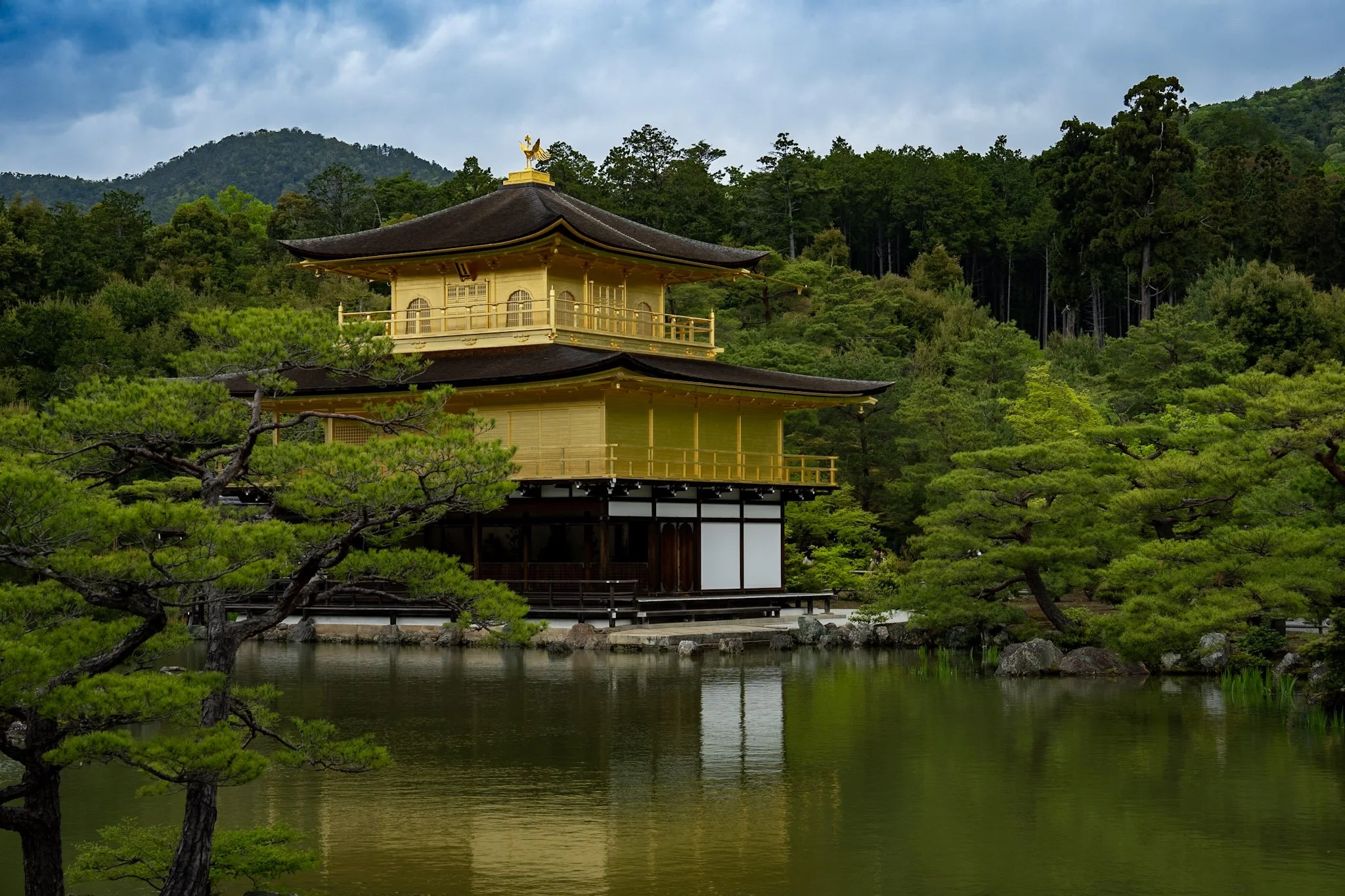
Spring 2026, and Kyoto's Golden Pavilion was surrounded by crowds, until a gap opened just long enough for a clear shot of it shimmering in the mirror pond. The glow is no trick of the light: its upper floors are covered in real gold leaf, not paint. The temple you see was rebuilt in 1955, after the original burned in 1950.
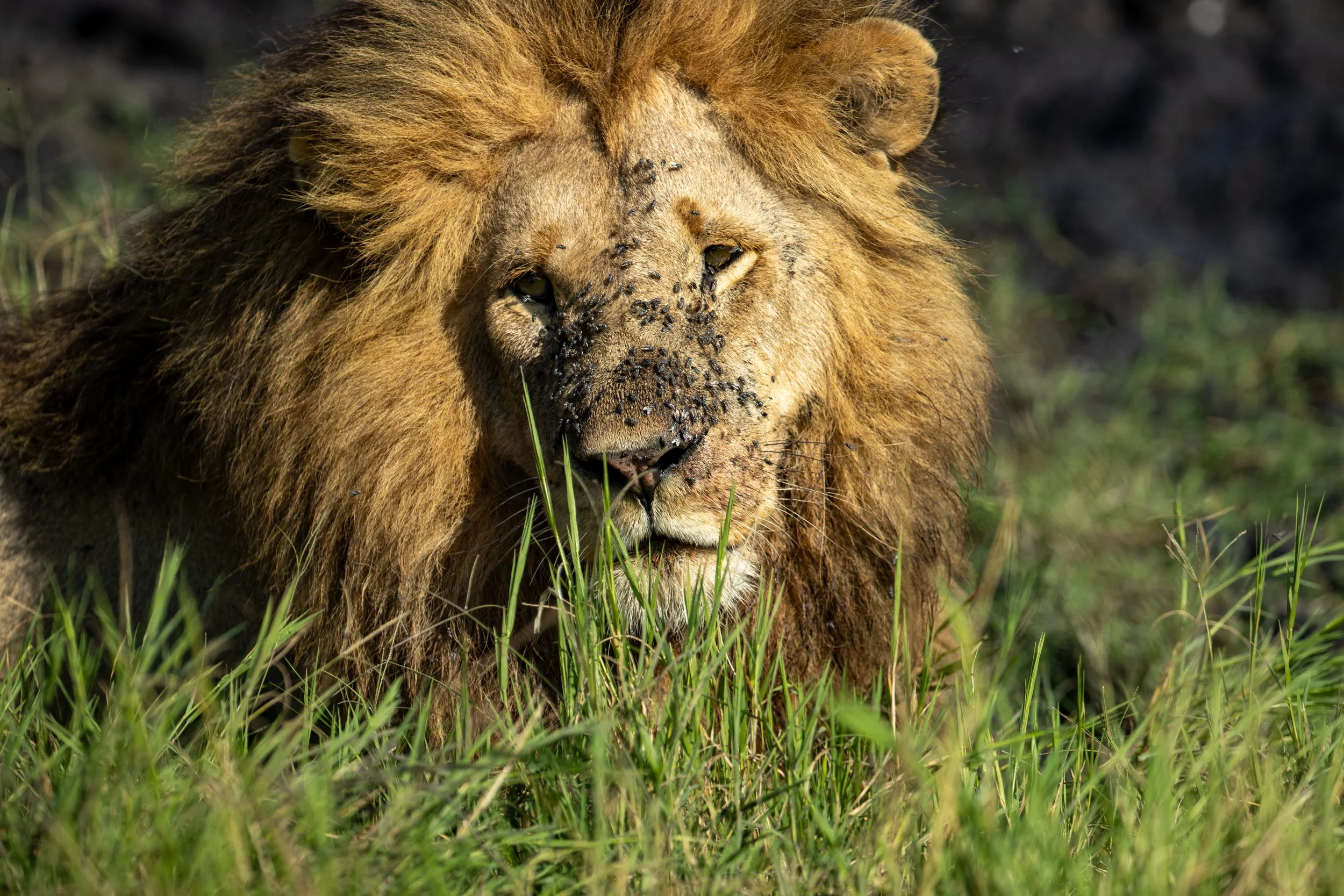
Every scar on his face is a story of a fight won, of rivals driven off and a pride defended. That dark mane marks a male in his prime. We met him in Tanzania, and he met our gaze like he owned the place, because he did.
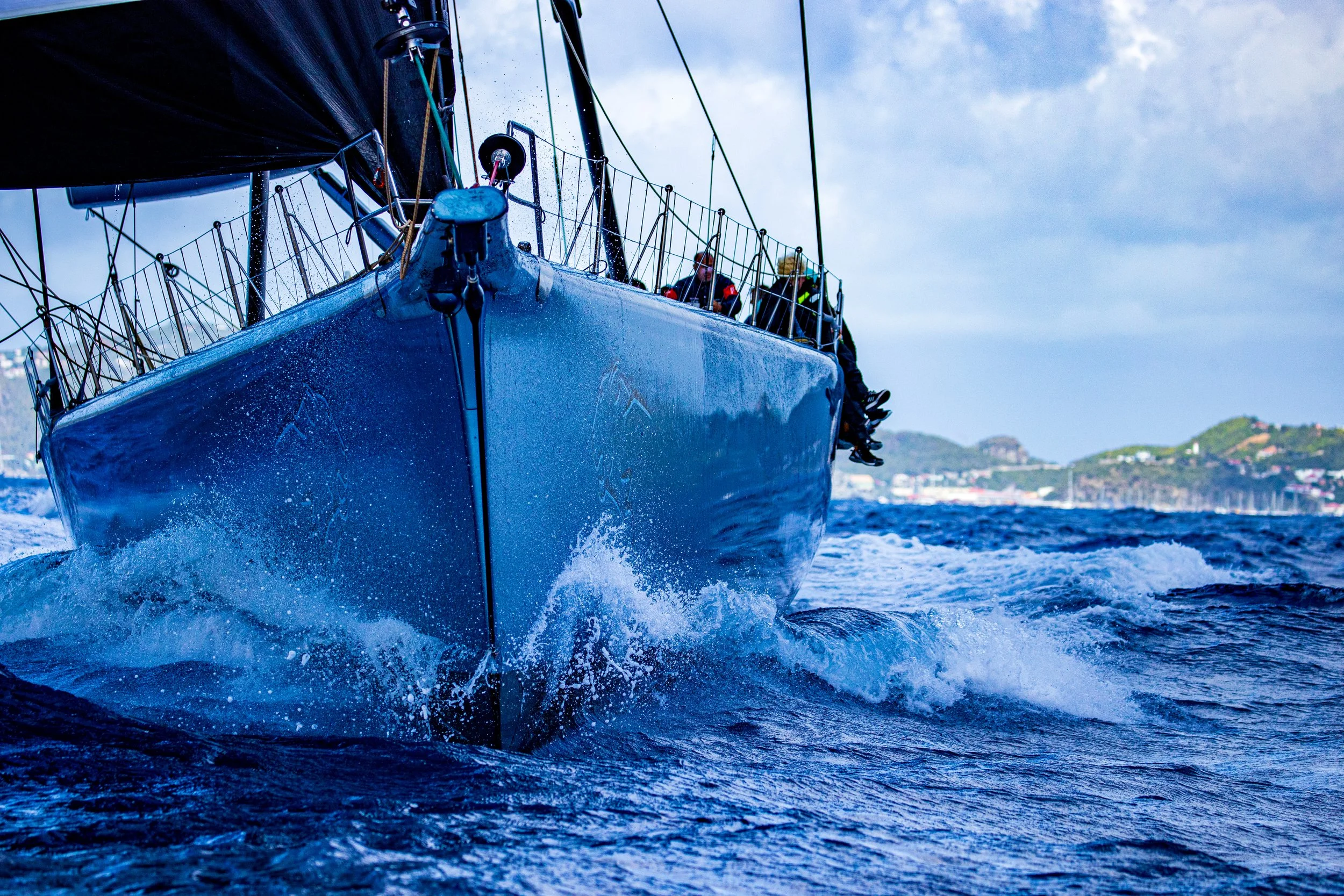
At the St. Barths Bucket regatta, I rode a chase boat with a seasoned captain who wasn't shy about getting close. More than once we found ourselves almost under the bows of the racing yachts, close calls that had my heart pounding and the shutter firing. This one came charging through the swell, throwing spray as she passed.
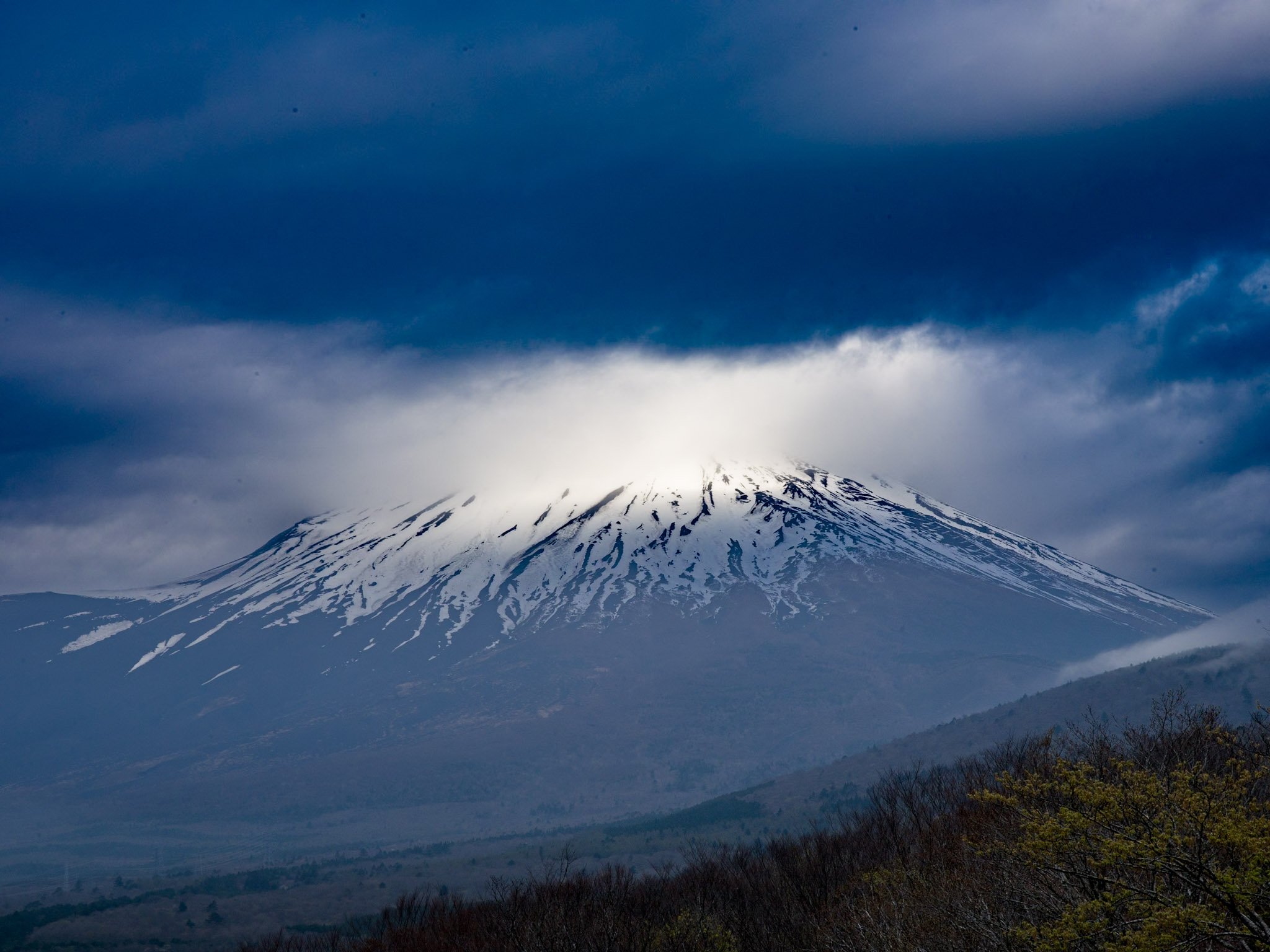
For most of our visit, Mount Fuji refused to show itself. Then the clouds pulled back, and there it was, crowned by a lenticular cloud, the lens-shaped cap that forms when strong winds pour over the summit and can hang there for hours. After days of waiting, it felt like the mountain had saved its best for last.

We spent the whole day in South Africa's Sabi Sands hunting for a leopard and came up empty. Then, heading back to camp that afternoon, there he was, sprawled right beside the trail in grass almost exactly his own color, as if he'd been watching us search all along.

The line screamed, and then the sailfish went straight up, standing on its tail in a burst of spray for one heartbeat before crashing back down. We'd been hunting sailfish all day, and this one gave us everything. After the fight we brought it boat side and released it without ever taking it out of the water.
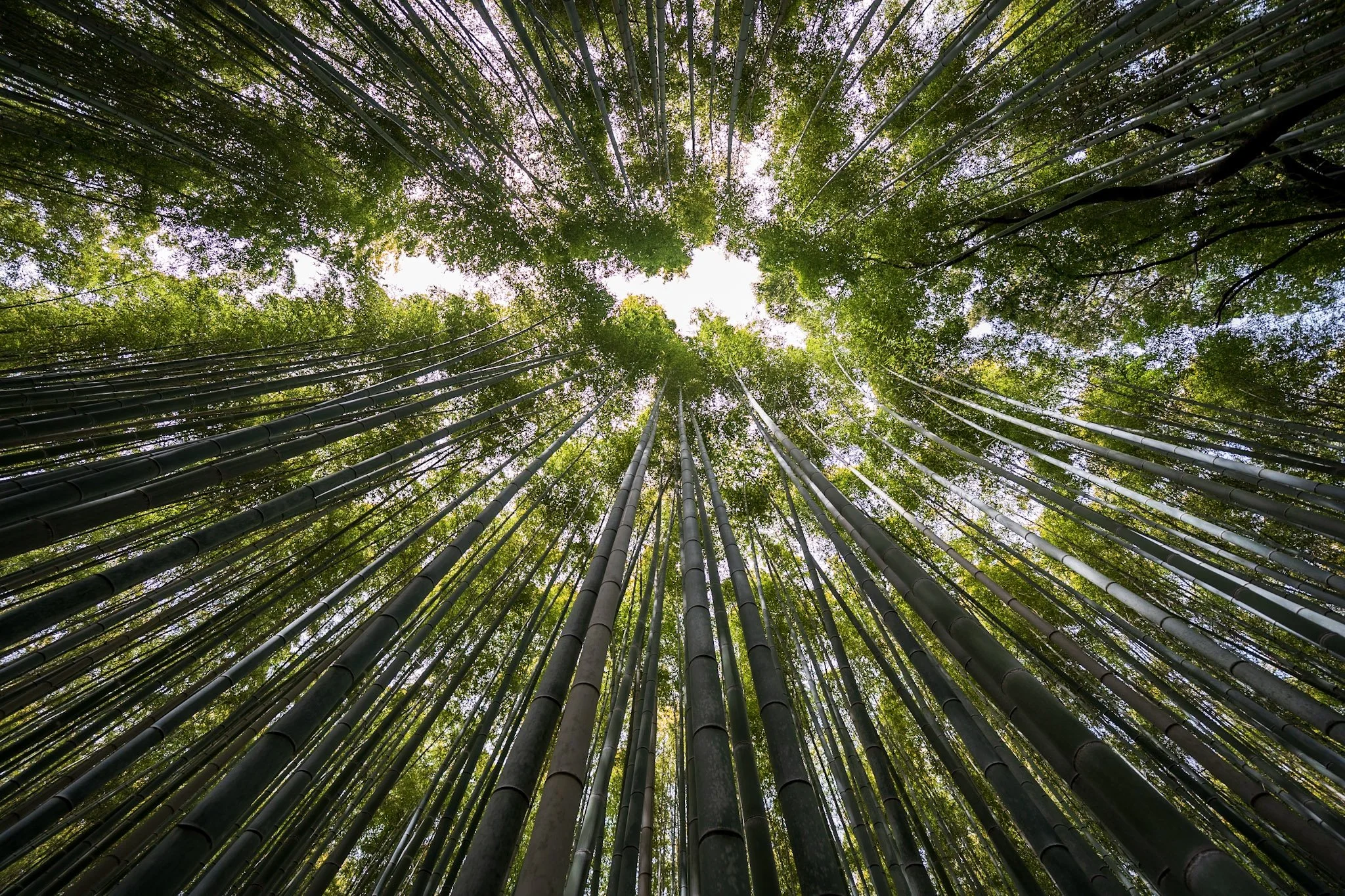
In Kyoto's bamboo forest, I tipped the camera straight up and watched the stalks close overhead into a green cathedral ceiling. Down among them, the world went quiet. It was calming, and more than a little surreal.

We'd been tailing this cheetah in our vehicle for a while when it did something our guide told us he rarely sees: it climbed a tree. Leopards do it all the time, but cheetahs are built for the ground. With us just a few yards away, it scrambled up to scan the plains for prey, and even our guide sat there in awe.
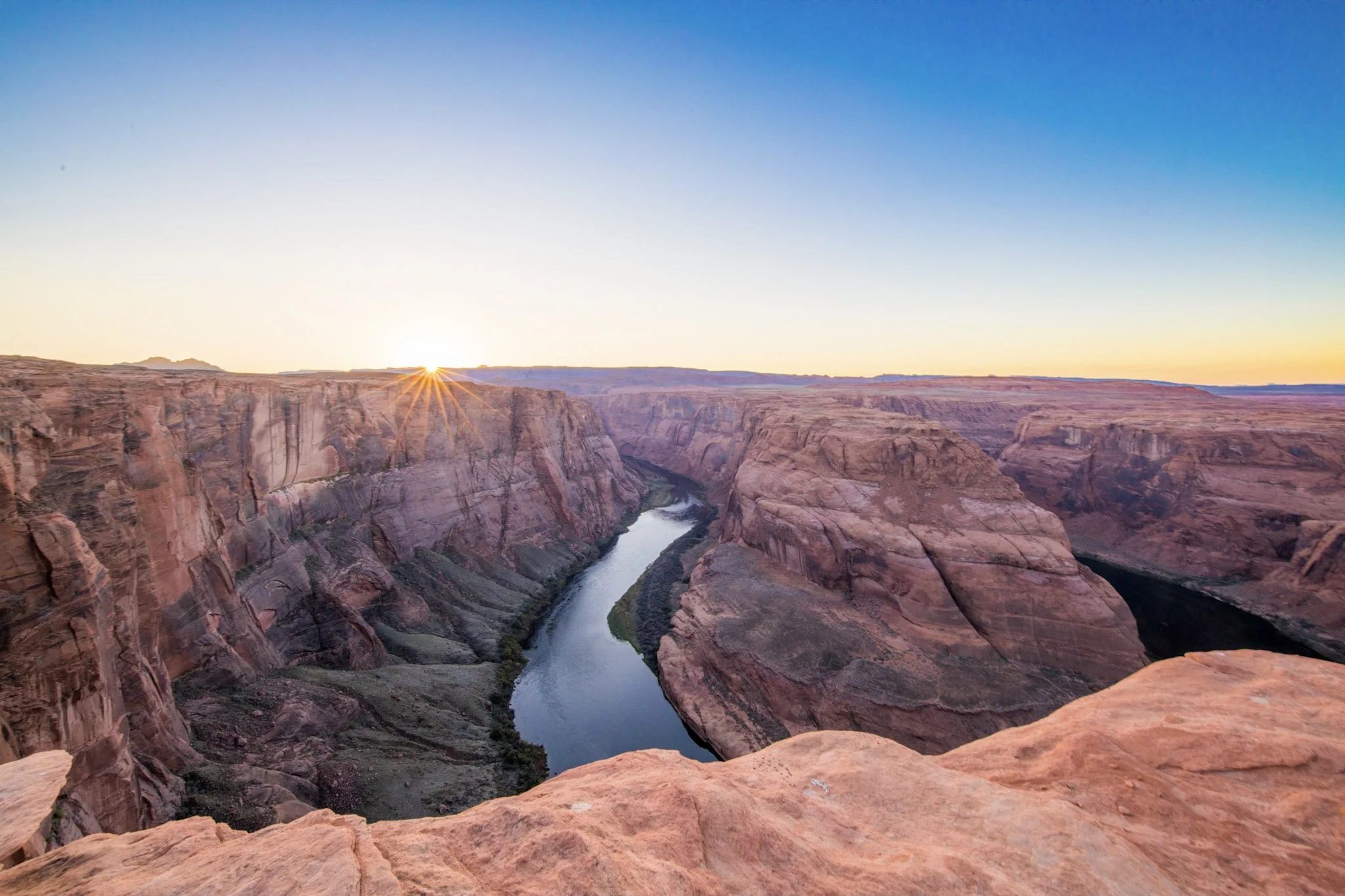
Walk to the edge and the ground simply drops away: 1,000 feet straight down, the Colorado River curls almost a full circle around a sandstone point near Page, Arizona. We came on a day trip from where we were staying on the Arizona–Utah border and stayed until dusk, as the last light warmed the canyon walls.
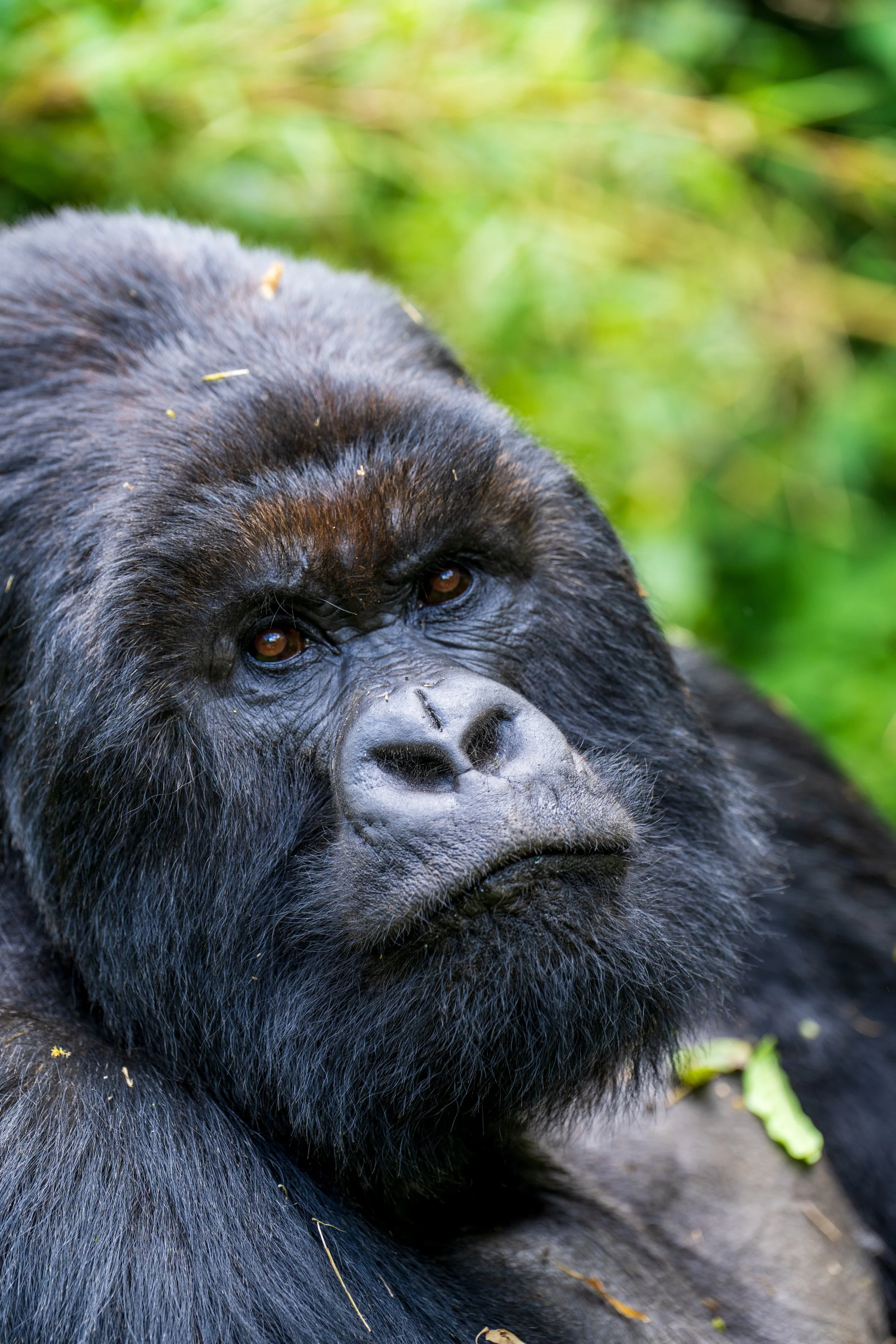
Two hours of climbing through brush and stinging nettles in Rwanda, and then, far up the mountainside, we found them: a gorilla family, and at its center this silverback. Visitors get just one precious hour with a habituated family. He spent ours lounging on the forest floor, utterly unbothered by the group of humans staring at him in awe.

Out of nowhere, a pod of common dolphins found us offshore of Long Island. They raced in to ride under the bow and run alongside the boat, close enough to hear them breathe, and this one launched clear of the silvery water right beside us.
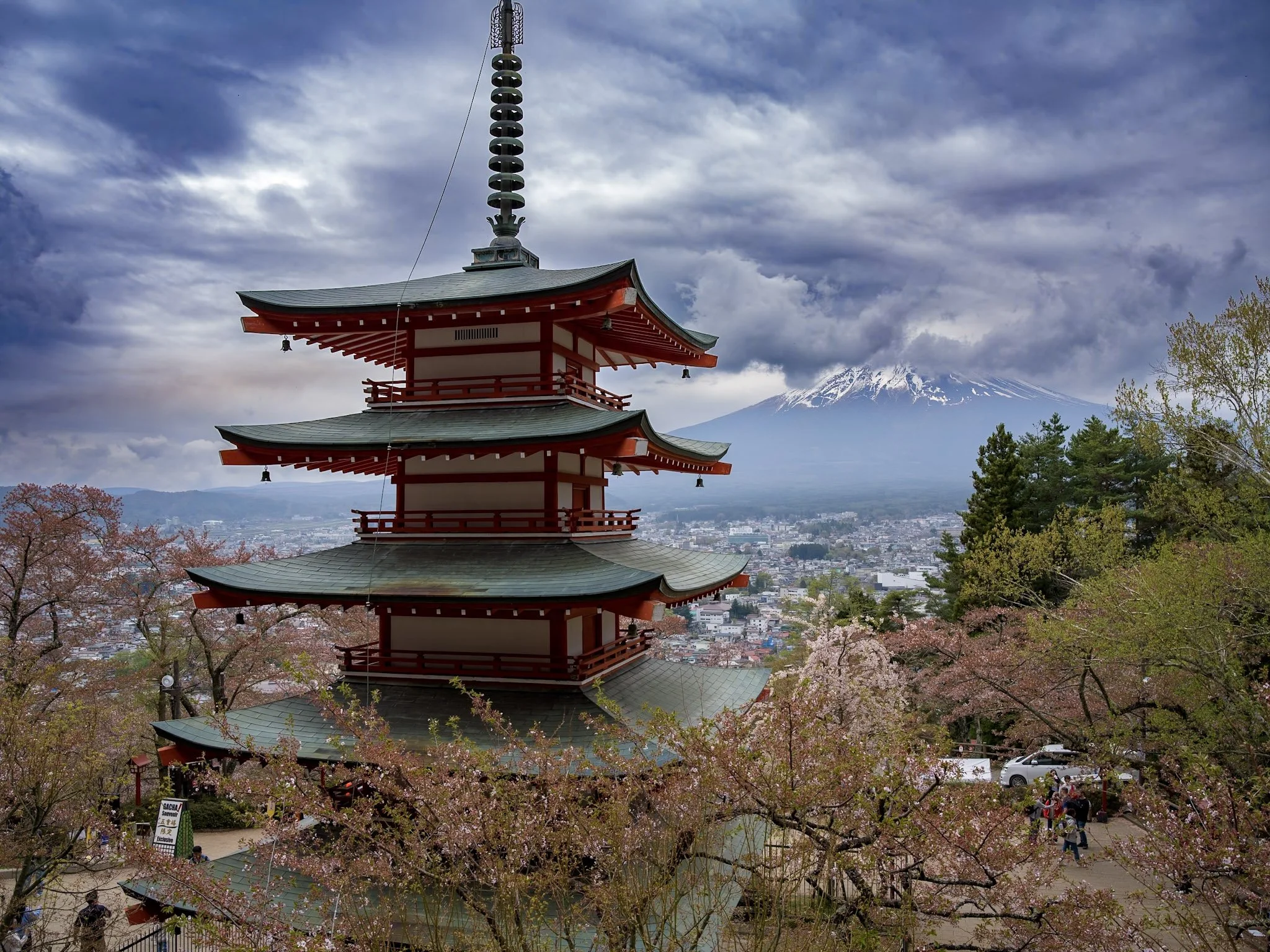
Nearly 400 steps up the hillside above Fujiyoshida, legs burning, we reached the top and turned around. There it was: the five-story Chureito Pagoda with Mount Fuji rising behind it. Fuji hides in cloud for much of the year, so a fairly clear spring day in 2026 felt like the payoff for every step.

Two tons of armor, and not a care in the world. We found this white rhino in South Africa's Sabi Sands, standing calmly at the water hole. Look closely at the horn: to protect rhinos from poachers, conservation teams sedate them and trim the horn back, leaving poachers nothing to come for. It doesn't hurt the animal, and the horn grows back.

Black hull, acres of canvas and a bow wave to match: the schooner Columbia, charging through the swell at the St. Barths Bucket. She's a 2014 re-creation of a legendary 1923 Gloucester fishing schooner, a design born to race home with the catch, and nearly a century later she still runs like she means it.
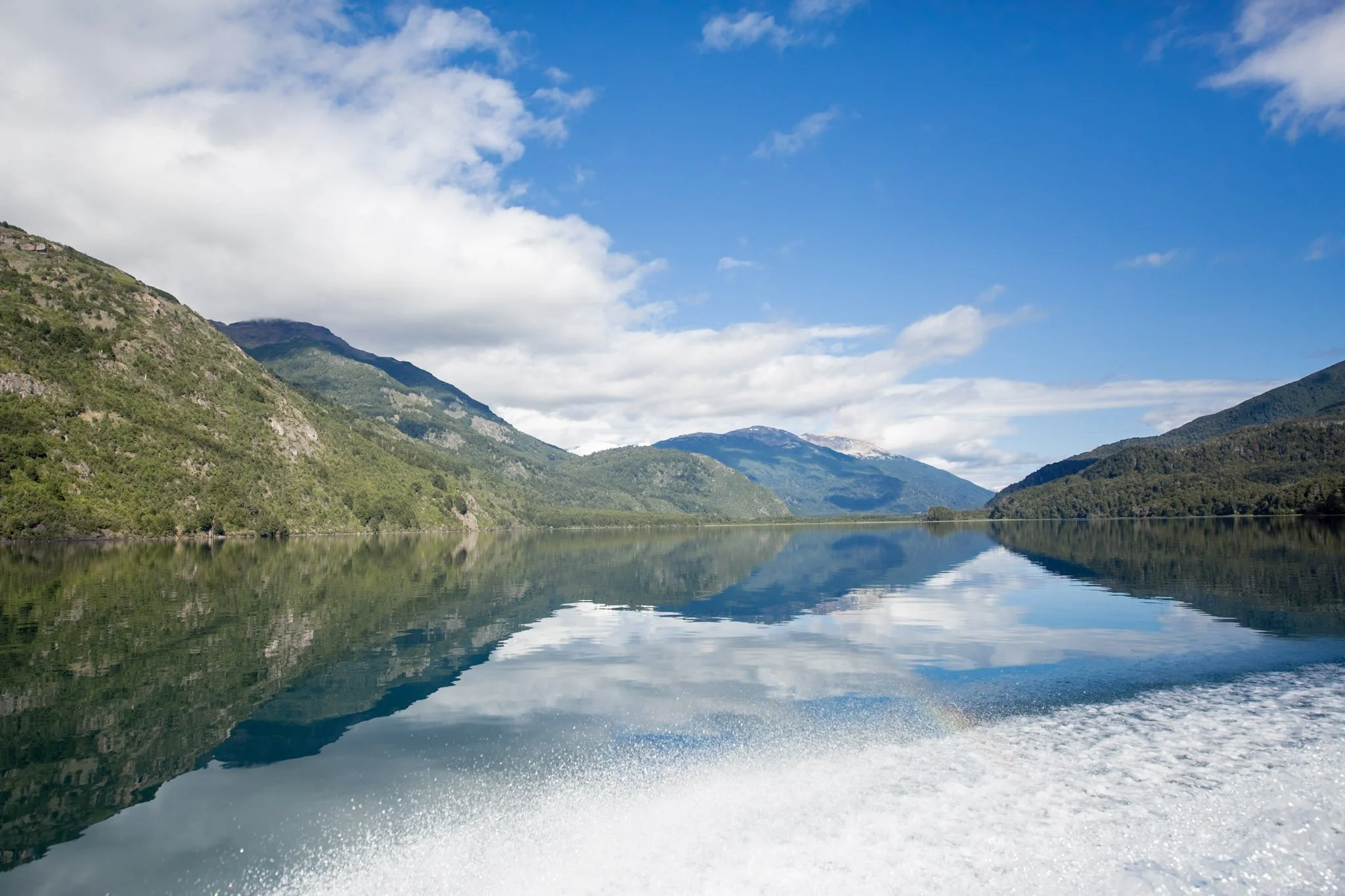
Getting here took some doing. This remote lake sits high in the Patagonian mountains, and reaching it meant a motorboat ride, then a drive with all our gear and a deflated drift boat packed in the bed of the truck. The reward was this: water so still the mountains doubled themselves in it, and not another soul in sight.

Lions, leopards, buffalo: our guide took them all in stride. Elephants were different. They were the one animal he treated with real caution, and with several herds around, calves among them, he wasn't taking chances. Whenever a line like this came lumbering down the track, he kept a careful eye and the engine ready.

Forty miles offshore, after a long day of fishing with nothing to show for it, we sent the drone up almost as an afterthought. The screen lit up: rays everywhere, all around the boat, with schools of spinner sharks cutting through them. We had been sitting on top of it all day without knowing.
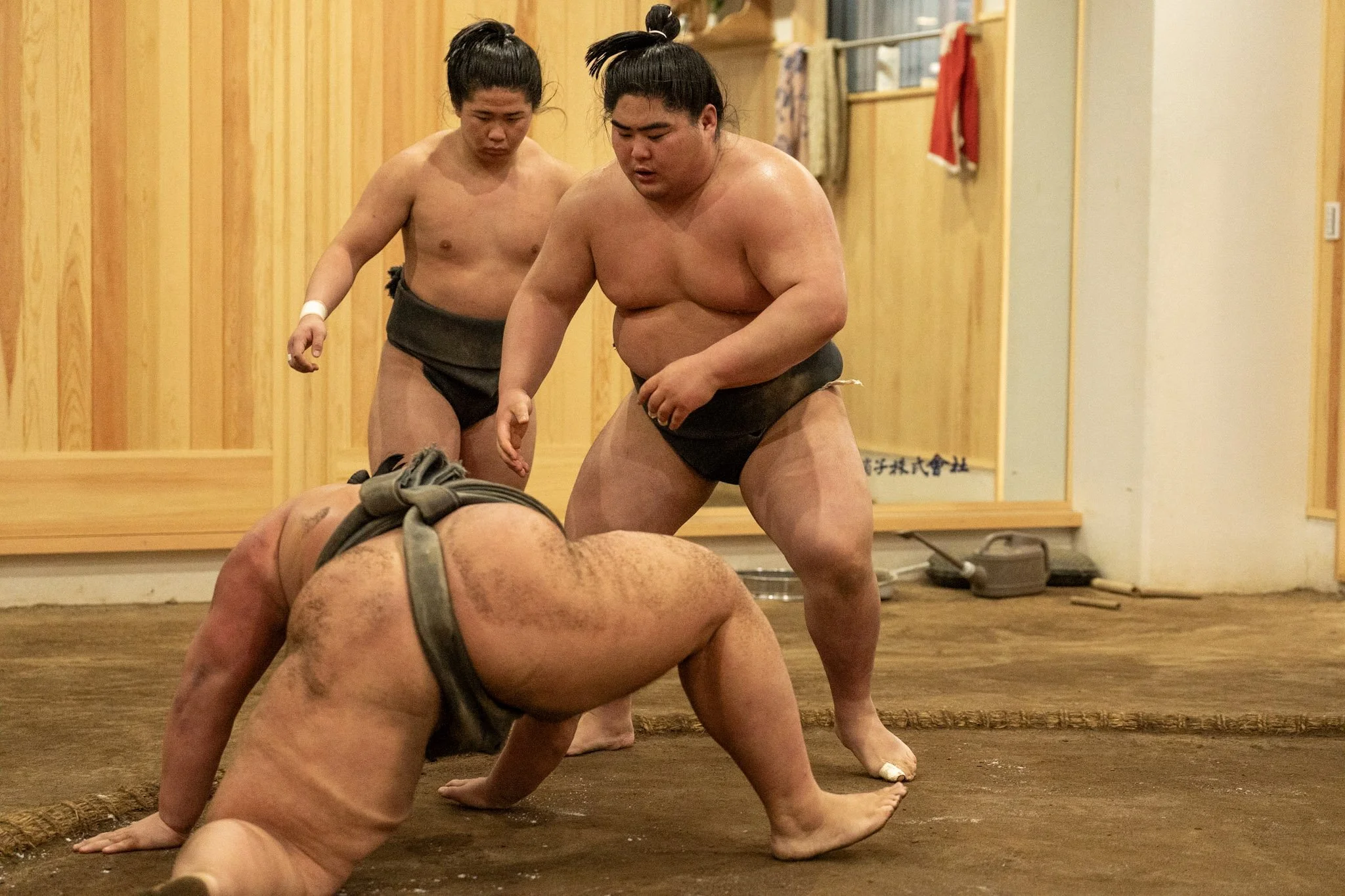
Thanks to a local contact, we were invited inside a sumo stable for morning practice. The room was nearly silent except for the thunder of bodies colliding. Up close, the wrestlers' speed, power and agility were astonishing. Afterwards they invited us to sit down and share a meal with them, and over food and conversation the giants of the ring turned out to be warm, funny and generous hosts. We left with a whole new respect for the sport, and for the men who live it.
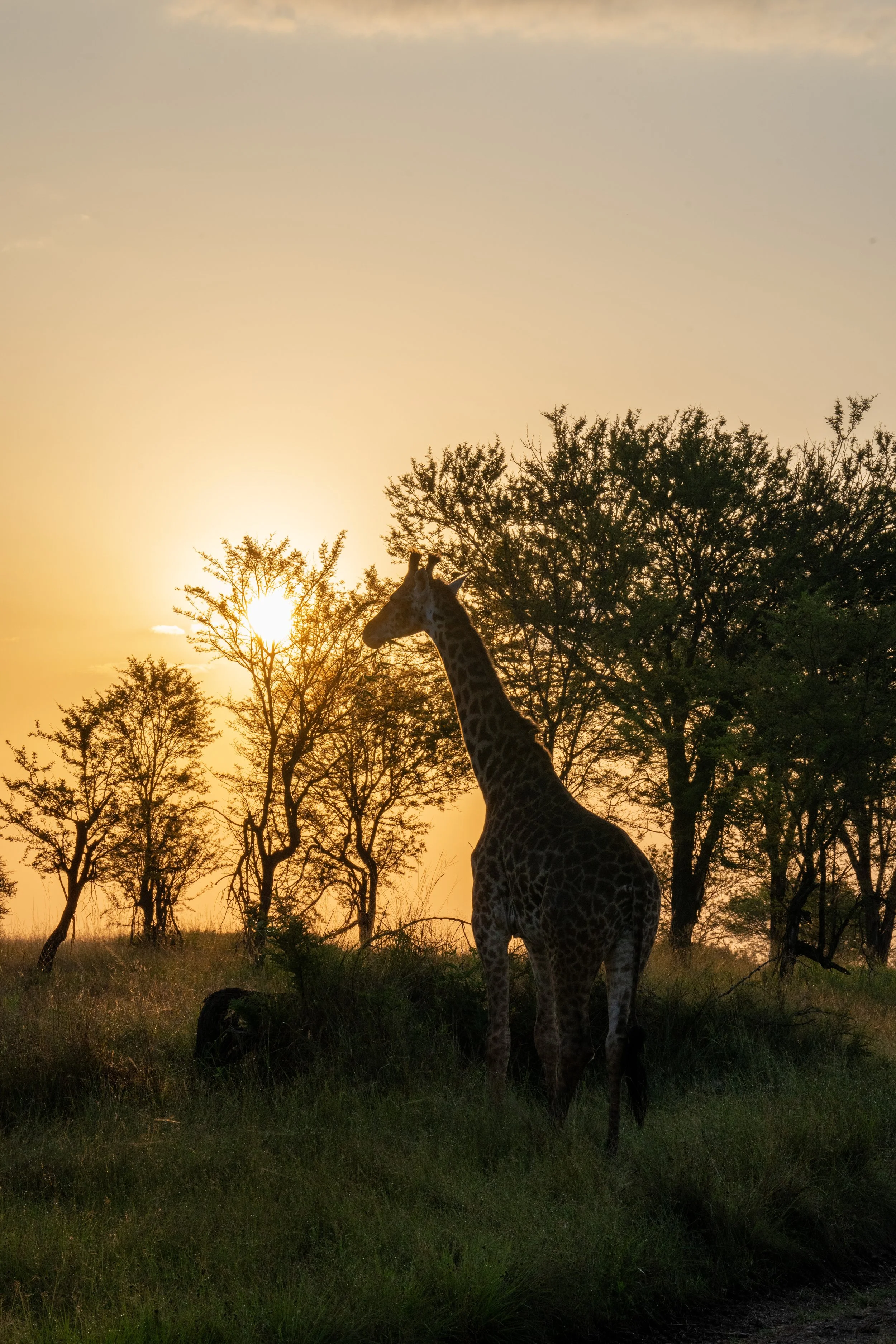
As the sun dropped and the heat finally began to ease, we set out on a night drive, the hour when the bush wakes up. Almost right away, this giraffe stepped into the last of the light, a perfect silhouette against the setting sun.
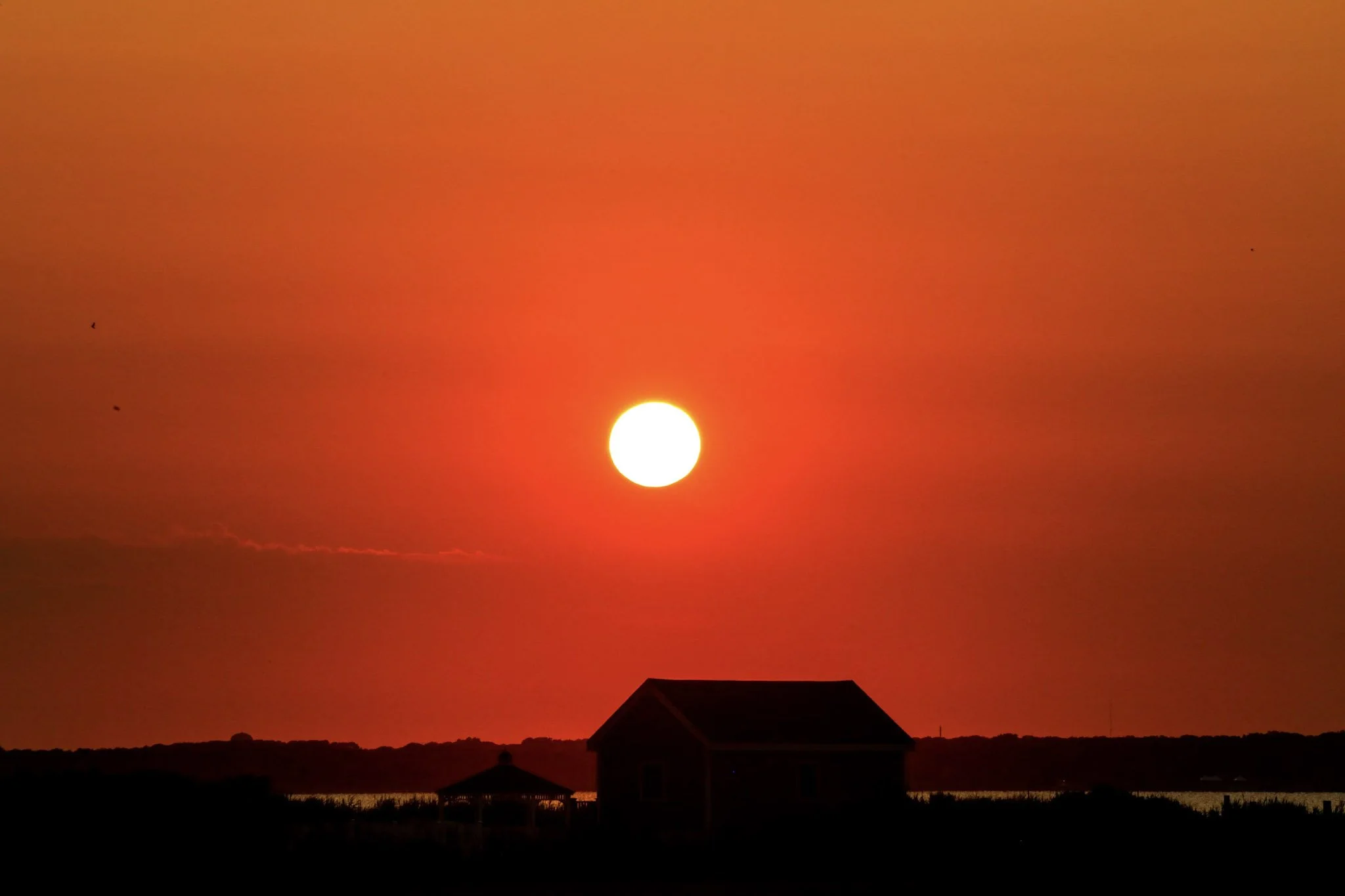
An August evening on the East End of Long Island, and the day went out in style: a sun so red it looked painted on, sinking slowly behind the building as the evening settled in.

I raised the camera to study them, and they stared right back. These two zebras stood side by side, stripes as unique as fingerprints, watching me every bit as closely as I was watching them. For a moment, it was hard to say who was on safari.

Snorkeling in clear Caribbean water, we looked down and found a green sea turtle gliding over the pale sand below us. Instead of swimming off, it stayed, drifting alongside us for what felt like a long, unhurried visit.
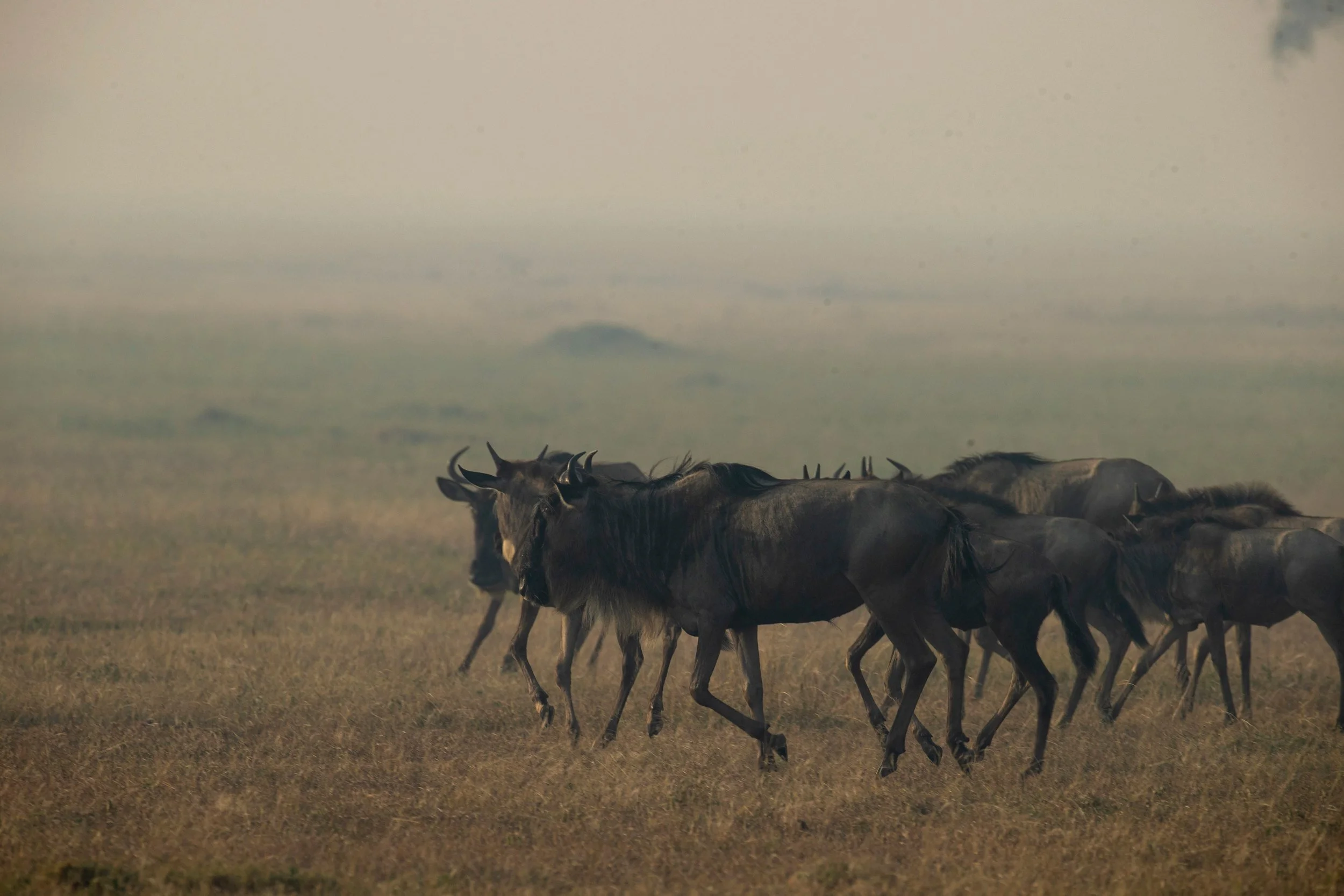
Out of the morning mist they came, wildebeest in an endless line across the Serengeti. This is the Great Migration, more than a million animals on the move. We caught it in spring, near the start of their long trek, with the herds just beginning to roll.

In the Irish countryside, we spent an afternoon with a falconer and his birds of prey, and this bald eagle was the star. Again and again he soared off and swept back to the handler's glove. Then, at the very end, having been fed a little too generously, he simply decided he was done. He settled out in the wild, the falconer resigned himself to a long wait, and we headed off with a story.